

Why PAIMLS
The whole journey needs a shared view.
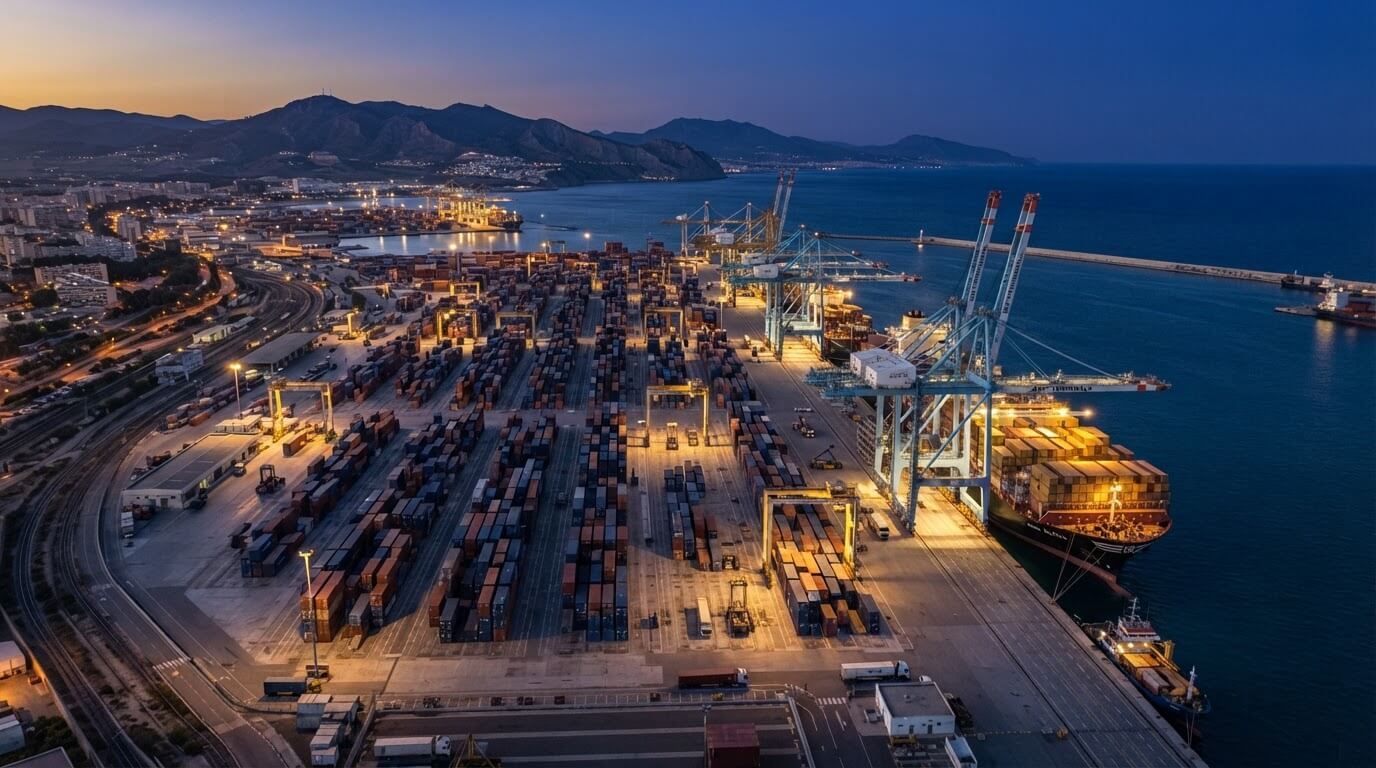
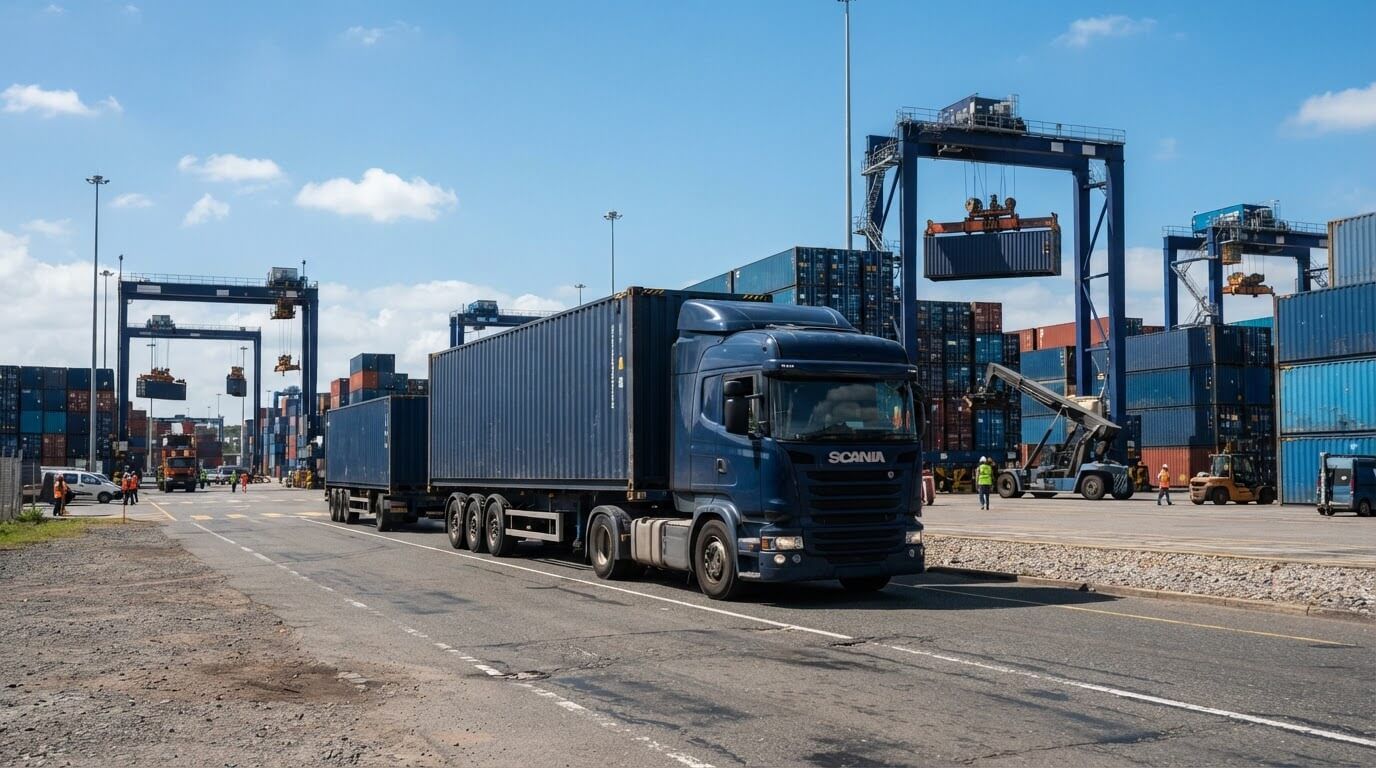
Multimodal freight depends on a chain of decisions made by different operators. When data remains fragmented, a delay at a port can affect truck schedules, container availability and the reliability of the next transport leg.
Global supply-chain disruptions amplify this uncertainty. At the same time, freight operators face increasing pressure to understand and reduce the environmental impact of their operations.
PAIMLS brings sensing, forecasting and decision support together, with people remaining central to operational choices. The research will test how connected information can enable more resilient and sustainable logistics.
36 months
Project duration
3 partners
Industry and academic collaboration
5 WPs
Coordinated work packages
TRL3 → TRL6
Research-to-demonstration ambition
September 2026 - September 2029
What we aim to do
Six objectives. Three complementary dimensions.
The project combines technology development, scientific validation and environmental ambition.
Technological
01
Connect physical freight
Develop Smart Connected End Nodes to collect container signals and connect them with a shared IoT platform.
02
Unify operational decisions
Integrate tracking, forecasts and route alternatives in an interactive web and mobile decision-support environment.
Scientific
03
Advance predictive scheduling
Research AI and machine-learning methods for delivery-time forecasting in multimodal freight networks.
04
Validate in the real world
Evaluate research prototypes through 12 months of pilot testing, progressing from TRL3 towards TRL6.
Environmental
05
Support lower-impact transport
Explore route and resource decisions that can reduce unnecessary movement and improve environmental performance.
06
Make sustainability actionable
Bring environmental, social and economic considerations into operational insight and scenario-based training.
National priorities / European value
Aligned with Greece’s smart specialisation.
PAIMLS contributes to the Transport & Logistics priority through intelligent connected systems, applied AI research and the development of digital capabilities for freight operations.
Transport & Logistics
Project code: ΕΚΠΑΡ02-0075285
Explore further
See how the research comes together.
Explore the platform architecture, the five work packages and the partners contributing to PAIMLS.
The partners
Coordinating beneficiary

International Hellenic University – ΔΙΠΑΕ
Academic expertise supporting project research.